 Language

How to Choose Cocoa Roasting Equipment: A Practical Buyer’s Guide
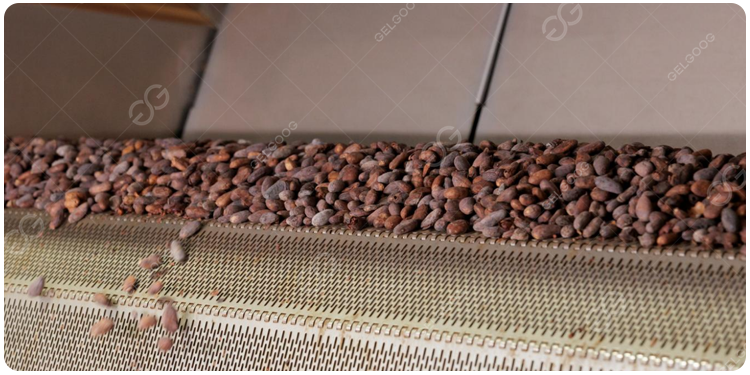
Roasting is one of the most important stages in cocoa processing. It reduces the moisture content of cocoa beans, develops their characteristic cocoa aroma, lowers microbial risks, and prepares the beans for subsequent processes such as cracking, winnowing, grinding, and chocolate production. The performance of cocoa roasting equipment directly affects the flavor, color, production efficiency, and consistency of the final product.
Cocoa roasting machines on the market vary considerably in production capacity, heating method, control system, roasting uniformity, and energy consumption. If equipment is selected based only on price or nominal capacity, buyers may encounter problems such as uneven roasting, high operating costs, insufficient production flexibility, or difficulty integrating the roaster into a complete cocoa processing line.
This practical guide explains how to choose cocoa roasting equipment for different production requirements and outlines the key technical factors that should be evaluated before purchasing.
1. Determine the Required Roasting Capacity
The first step in choosing cocoa roasting equipment is to define how much cocoa you need to process. The capacity of a cocoa roaster may be stated as batch capacity, hourly throughput, or both.
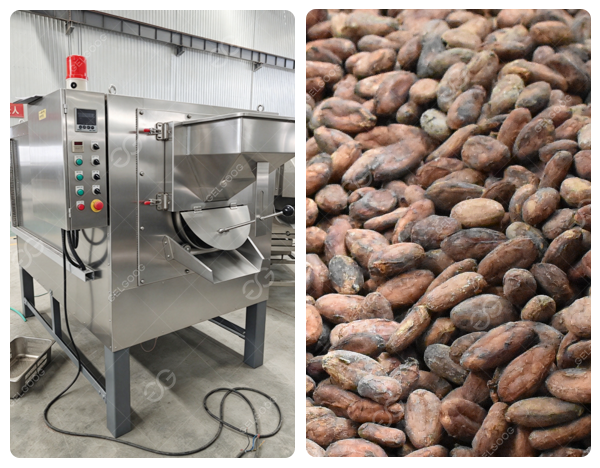 When selecting a batch cocoa roaster machine, confirm:
- Cocoa bean loading capacity per batch
- Actual roasting time per batch
- Loading and unloading time
- Cooling time
- Number of batches that can be completed per day
Do not calculate output based only on the nominal loading capacity. The complete production cycle includes loading, heating, roasting, discharging, and cooling. For example, a machine with a capacity of 200 kg per batch does not necessarily produce 400 kg per hour. The actual hourly output depends on the total cycle time.
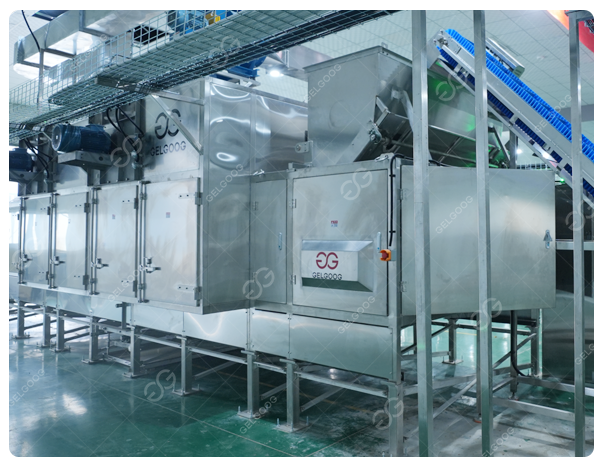 When selecting a continuous cocoa roasting equipment, confirm:
- Rated input capacity in kilograms per hour
- Actual output under the required roasting profile
- Residence time inside the roasting chamber
- Capacity fluctuations caused by different raw-material moisture levels
- Minimum capacity required for stable operation
Small chocolate workshops and businesses entering the cocoa processing industry generally prefer flexible batch roasting equipment. Medium and large cocoa processing plants usually select high-capacity batch roasters or continuous cocoa roasting lines that can operate reliably for long periods.
When determining capacity, consider both current production requirements and future business growth. However, the equipment should not be significantly oversized. A machine that is too large may consume excessive energy and produce less satisfactory roasting results when operated with a low loading volume.
2. Evaluate Roasting Uniformity
Roasting uniformity is one of the most important performance indicators of cocoa roasting equipment. Uneven roasting may cause some beans to remain under-roasted while others become burnt or excessively dark.
When comparing cocoa roasting machines, evaluate:
- Hot-air distribution inside the roasting chamber
- Heat transfer efficiency
- Temperature differences between different areas of the chamber
- Color consistency after roasting
- Internal roasting condition of the cocoa beans
A reliable cocoa roasting equipment supplier should be able to provide roasting videos, finished-product samples, temperature records, or test reports. Buyers should not evaluate a machine based only on its external appearance.
Whenever possible, request a roasting test using your own cocoa beans. Cocoa beans from different origins vary in size, fermentation level, moisture content, and density. Testing with your own raw materials provides more valuable information than watching a general machine demonstration.
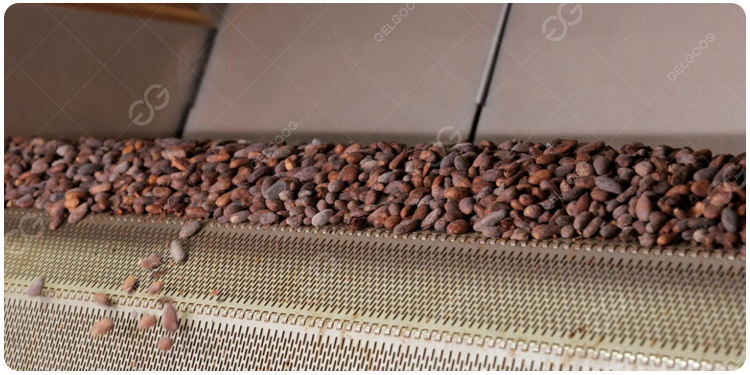
3. Check the Temperature Control System
Temperature control plays a critical role in cocoa flavor development. Excessive temperatures may produce burnt, bitter, or smoky flavors. Insufficient roasting may leave raw bean notes and excessive acidity in the finished product.
When learning how to choose cocoa roasting equipment, check the following temperature-control features:
- Adjustable temperature range
- Temperature control accuracy
- Overtemperature protection
- Support for multi-stage roasting programs
Industrial cocoa processors should prioritize machines that can run a complete roasting temperature curve rather than equipment that only maintains a single constant temperature.
A programmable control system allows operators to set different heating stages, roasting times, drum speeds, and cooling parameters. This function is especially useful when switching between cocoa beans from different origins or producing different types of cocoa liquor and chocolate products.
Repeatable roasting profiles also help reduce differences between batches, making it easier to maintain stable flavor, color, and moisture levels during long-term production.
4. Select the Right Heating Method
Common heating methods for cocoa roasting equipment include electric heating and gas heating.
Electric Cocoa Roasting Machines
Electric cocoa roasters generally provide the following benefits:
- Convenient installation
- Clean production environment
- Precise temperature adjustment
- No combustion gases in direct contact with the material
- Suitable for small and medium production capacities
Before selecting an electric cocoa roaster, confirm the available electrical capacity of the factory. Large electric roasting machines may have high installed power. If local electricity prices are high, long-term operating costs may also be relatively high.
Gas-Heated Cocoa Roasting Machines
Gas heating is commonly used for medium and large cocoa processing projects. Its potential benefits include:
- Faster temperature rise
- Lower operating costs in regions where gas is economical
- Suitability for continuous production
- Reduced electrical load on the factory
Before purchasing a gas-heated cocoa roaster, confirm which fuel is available, such as natural gas or liquefied petroleum gas. The supplier should also verify gas pressure, burner configuration, safety requirements, and local regulations.
The final choice between gas and electric heating should be based on capacity, local energy prices, available factory utilities, temperature-control requirements, and long-term production costs.
5. Confirm Raw Material Compatibility
Some processors need to roast materials other than whole cocoa beans. Whether a machine can also process cocoa nibs, peanuts, almonds, cashews, hazelnuts, seeds, or other products depends on its structural design and control flexibility.
Before purchasing, confirm:
- Whether the machine is suitable for whole cocoa beans or cocoa nibs
- The acceptable raw-material size range
- Maximum and minimum loading quantities
- Whether the machine is easy to clean after switching materials
Using one machine to roast both cocoa beans and nuts can increase production flexibility. However, different materials require different roasting temperatures, processing times, airflow settings, and cooling conditions.
Do not assume that one set of operating parameters can be used for every product. Ask the equipment supplier to provide actual testing data or conduct trials with representative raw materials.
6. Calculate Energy Consumption and Operating Costs
The purchase price is only one part of the total cost of cocoa roasting equipment. Electricity or gas consumption, labor, maintenance, cleaning, and wearing parts all influence long-term operating expenses.
Before making a decision, ask the supplier to provide:
- Installed electrical power
- Average electricity consumption
- Gas consumption per hour
- Energy consumption per batch or per ton
- Preheating time
- Number of operators required
- Maintenance schedule
- Recommended spare-parts list
For high-capacity cocoa processing plants, energy consumption per ton of roasted cocoa beans is more meaningful than the total installed power of the machine.
Effective insulation, stable airflow, and accurate temperature control can reduce heat loss while improving roasting consistency. Buyers should therefore compare overall operating efficiency instead of selecting equipment based only on the initial purchase price.
7. Evaluate Food Safety and Cleaning Design
Cocoa roasting equipment should comply with food-processing hygiene requirements and be convenient to clean and maintain.
Buyers should evaluate:
- Materials used for food-contact parts
- Stainless-steel specifications
- Accessibility of the roasting chamber
- Ease of removing cocoa dust and fine particles
- Presence of difficult-to-clean areas
- Smoke and odor exhaust design
- Daily cleaning time
- Maintenance accessibility
For imported equipment, also confirm whether the electrical components, safety devices, operating manuals, and technical documents comply with the requirements of the destination market.
A hygienic and accessible design reduces cleaning time, lowers contamination risks, and helps the factory maintain stable production.
8. Consider Integration With a Complete Cocoa Processing Line
A cocoa roaster normally operates as one part of a complete cocoa processing line. A typical process may include: Cocoa bean cleaning → stone removal and sorting → roasting → cooling → cracking and winnowing → cocoa nib grinding → cocoa liquor processing
A well-integrated cocoa processing line can reduce manual material transfer, lower contamination risks, minimize material losses, and make future production expansion easier.
Provide the supplier with a factory layout, available installation space, ceiling height, utility conditions, and planned material flow. This information allows the supplier to recommend the right model and prepare a more accurate equipment layout.
9. Evaluate the Supplier's Testing and After-Sales Capabilities
The supplier's technical support is as important as the equipment itself. Before placing an order, evaluate whether the supplier can provide:
- Roasting tests using the customer’s cocoa beans
- Equipment and process demonstration videos
- Factory layout planning
- On-site installation and commissioning guidance
- Operator training
- Recommended wearing-parts and spare-parts lists
- Remote troubleshooting
- Warranty and long-term after-sales support
For a large cocoa processing project, ask the supplier to explain the design logic behind the recommended roasting parameters. The supplier should also clarify how the complete system will achieve the required capacity, roasting consistency, product quality, and energy efficiency.
Information to Prepare Before Requesting a Quotation
Before requesting a formal quotation, prepare the following information and send it to the cocoa roasting equipment supplier:
- Will you roast whole cocoa beans or cocoa nibs?
- What hourly output do you require?
- How many hours will the equipment operate each day?
- What is the approximate initial moisture content of the cocoa beans?
- What flavor, color, and final moisture content do you require?
- Do you prefer batch or continuous production?
- Which energy source is available: electricity, natural gas, or LPG?
- What are the local voltage, frequency, and number of phases?
- Do you also need feeding, cooling, cracking, winnowing, or grinding equipment?
- Where will the equipment be installed?
- What is the planned project schedule?
- Can you provide a factory layout or equipment installation space restrictions?
Providing complete project information allows the supplier to recommend a more suitable machine and prepare a more accurate technical and commercial proposal.
Conclusion
Understanding how to choose cocoa roasting equipment requires more than comparing machine capacity and purchase price. Roasting uniformity, temperature control, heating method, cooling performance, energy consumption, cleaning convenience, automation level, and compatibility with the complete cocoa processing line all influence long-term production results.
For businesses that produce multiple products in smaller batches, a flexible batch cocoa roaster may be the more suitable choice. For standardized, high-volume industrial production, a continuous cocoa roasting system generally provides higher efficiency and easier integration with an automated cocoa processing line.
Before purchasing, provide the equipment supplier with representative cocoa bean samples, required capacity, final product specifications, factory energy conditions, and available installation space. A supplier that can conduct raw-material tests and provide a complete process configuration is more likely to deliver cocoa roasting equipment that meets both your production and flavor requirements.
Lily and 4 people like this
Leave a Reply